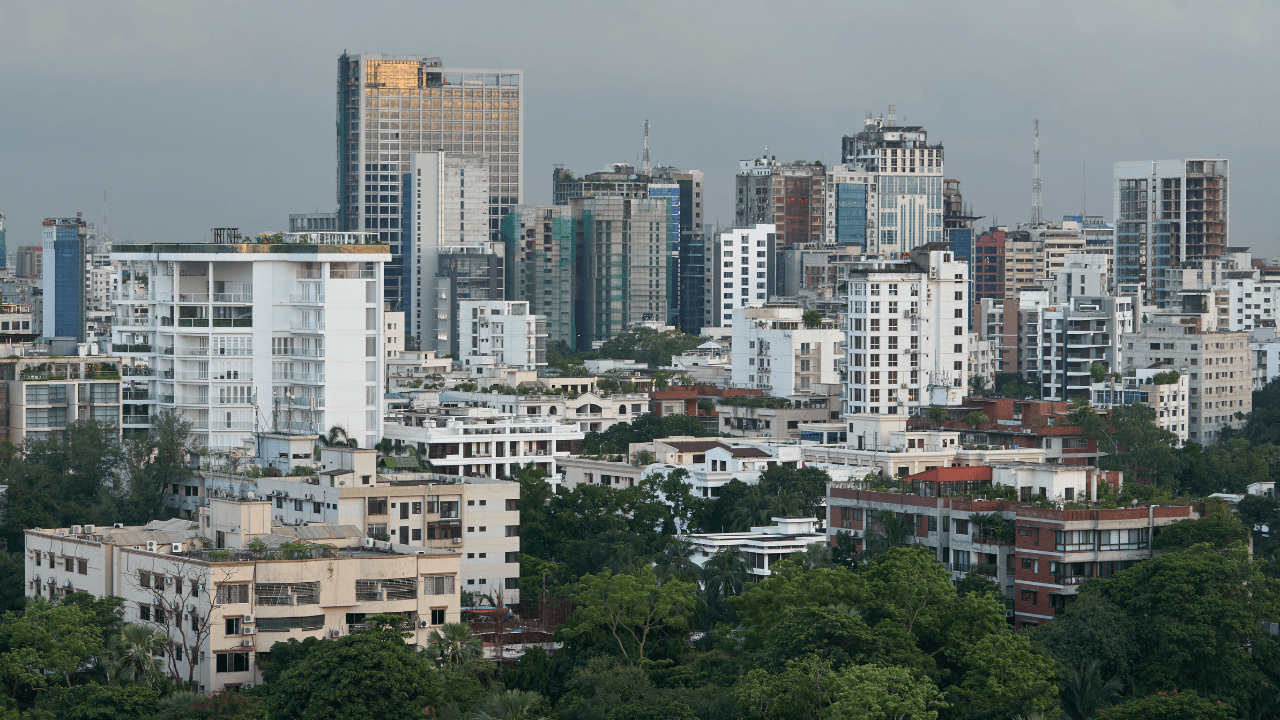
Cox's Bazar in Bangladesh is home to the largest refugee settlement in the world. Nearly one million Rohingya Muslims live there after fleeing genocide in Myanmar, many since 2017. The camps are overcrowded, flood-prone, and chronically underfunded. Beyond the refugee crisis, Bangladesh itself faces recurring cyclones, flooding, and deep poverty that keep millions in need year after year.
For U.S. Muslims wanting to direct zakat or sadaqah to this region, the best-reviewed options are Islamic Relief USA, Zakat Foundation of America, Helping Hand for Relief and Development (HHRD), Life for Relief and Development, and ICNA Relief USA. All are 501(c)(3) organizations and all accept zakat for this work.
Ready to compare halal options?
The situation in Bangladesh and the Rohingya camps
The Rohingya crisis began long before 2017, but the mass displacement that year was a turning point. Hundreds of thousands crossed into Bangladesh within weeks, overwhelming existing camps and government capacity. Today the population in Cox's Bazar is stable in size but deeply precarious: monsoon flooding annually damages shelters, fire destroys sections of the camp periodically, and access to education and livelihoods remains limited.
Bangladesh the country has its own separate humanitarian profile. It is one of the most climate-vulnerable countries in the world. Cyclones and flooding hit every few years with severity, displacing millions of Bangladeshis who are not Rohingya. Any of the charities below serve both populations, though program emphasis varies.
Islamic Relief USA
Islamic Relief USA has a sustained presence in both Bangladesh and the Rohingya camps at Cox's Bazar. They run food aid, clean water programs, emergency shelter support, and child protection services in the camps. They also respond to Bangladesh cyclones and flooding with emergency relief. Of all the U.S. Muslim charities active in this region, Islamic Relief has the longest track record and the most documented programs.
They publish annual reports with regional breakdowns, are rated by Charity Navigator, and are a 501(c)(3) organization. For donors who want accountability alongside scale, this is the most straightforward choice for Bangladesh and Rohingya giving.
Zakat Foundation of America
Zakat Foundation of America has active programs in Bangladesh and has responded to the Rohingya crisis. Their giving platform lets you designate donations by region, which means you can specify Bangladesh when you give rather than contributing to a general international fund. For donors who want their zakat tied to a specific population, that granularity matters.
ZF is also explicit about how they manage zakat eligibility and distribution, which is reassuring for donors counting this toward their annual obligation.
Helping Hand for Relief and Development (HHRD)
Helping Hand for Relief and Development has programs in Bangladesh covering both the Rohingya refugee population and domestic Bangladeshi communities. Their work includes food distribution, water access, and orphan support. HHRD tends to maintain programs in areas where the emergency spotlight has faded, which matters in Cox's Bazar: the camps got global attention in 2017, but the need is just as acute now.
Life for Relief and Development
Life for Relief and Development has operated programs in Bangladesh and has responded to Rohingya needs. Based in Southfield, Michigan and operating since 1992, they have the institutional continuity to maintain programs in complex, long-running crises like the Rohingya situation. For donors who value longevity over brand recognition, Life for Relief is worth considering.
ICNA Relief USA
ICNA Relief USA has international programs that include Bangladesh and Rohingya populations. Check their current program pages to confirm active Bangladesh operations before you give, since international program portfolios shift based on funding and organizational capacity.
Which charity to choose
For the Rohingya refugee population specifically, Islamic Relief USA has the most developed and documented Cox's Bazar programs. They've been there consistently since 2017 with full program infrastructure. Zakat Foundation is the better choice if you want donation designation and want your zakat clearly attributed to this community.
For Bangladesh domestic disaster relief (cyclone, flood response), Islamic Relief and HHRD both have rapid response capacity in the country. If a cyclone or flooding event just happened and you want to help, check which organizations have announced active emergency response.
HalalWallet's charities directory has full profiles and ratings for each organization. If you're working through your annual giving calculation, the zakat resource center covers how zakat is calculated and who qualifies to receive it.
A note on sustained giving vs. emergency response
The Rohingya crisis is no longer an emergency in the news cycle sense, but the need hasn't decreased. Sustained, predictable giving toward organizations working in the camps is more valuable than one-time spikes during media coverage. If you're able to set up a recurring monthly donation, the Rohingya camps are a situation where consistency from donors matters significantly.
Frequently asked questions
Is giving to Rohingya refugees zakat-eligible?
Yes. Rohingya refugees living in poverty without stable income and resources are generally considered among those eligible to receive zakat (the fuqara and masakeen categories). All five organizations listed here accept and distribute zakat to this population. Confirm with the specific charity if you want assurance that your donation is being distributed according to zakat rules.
Can I give specifically for Rohingya rather than general Bangladesh programs?
Zakat Foundation of America and Islamic Relief USA both allow donation designation. When you give, specify 'Rohingya' or 'Cox's Bazar' in the donation purpose field. Not all charities offer this level of designation, so check before you give if this matters to you.
Why is the Rohingya crisis still ongoing in 2026?
The Rohingya remain stateless. Myanmar has not allowed large-scale return, conditions in Myanmar remain unsafe, and the Bangladesh government (which has hosted the camps for years at significant burden) has not offered permanent settlement. Refugees remain in legal limbo with restricted movement, limited work rights, and no clear pathway to resolution. This is a protracted crisis, not a temporary emergency.
How do I know my donation is reaching the camps and not administrative overhead?
Look for organizations that publish program expense ratios and regional breakdowns. Islamic Relief USA and Zakat Foundation both publish this data. A reasonable benchmark: organizations with over 75% of expenses going to programs are generally considered efficient. Charity Navigator scores can serve as a starting point, though they don't measure Islamic compliance or zakat-specific distribution.
Compare providers in your state
See side-by-side comparisons of Shariah-compliant products, or let our matcher recommend the best options for your situation.
Is Bangladesh aid different from giving to other South Asian countries?
Bangladesh has a distinct humanitarian profile compared to Pakistan or India. The main drivers of need are climate disasters (cyclones, flooding), the Rohingya refugee population, and domestic poverty in rural areas. Organizations with deep Bangladesh programs, particularly Islamic Relief USA and HHRD, will have a different operational setup than those doing one-time emergency appeals. That sustained infrastructure is what makes ongoing programs effective.