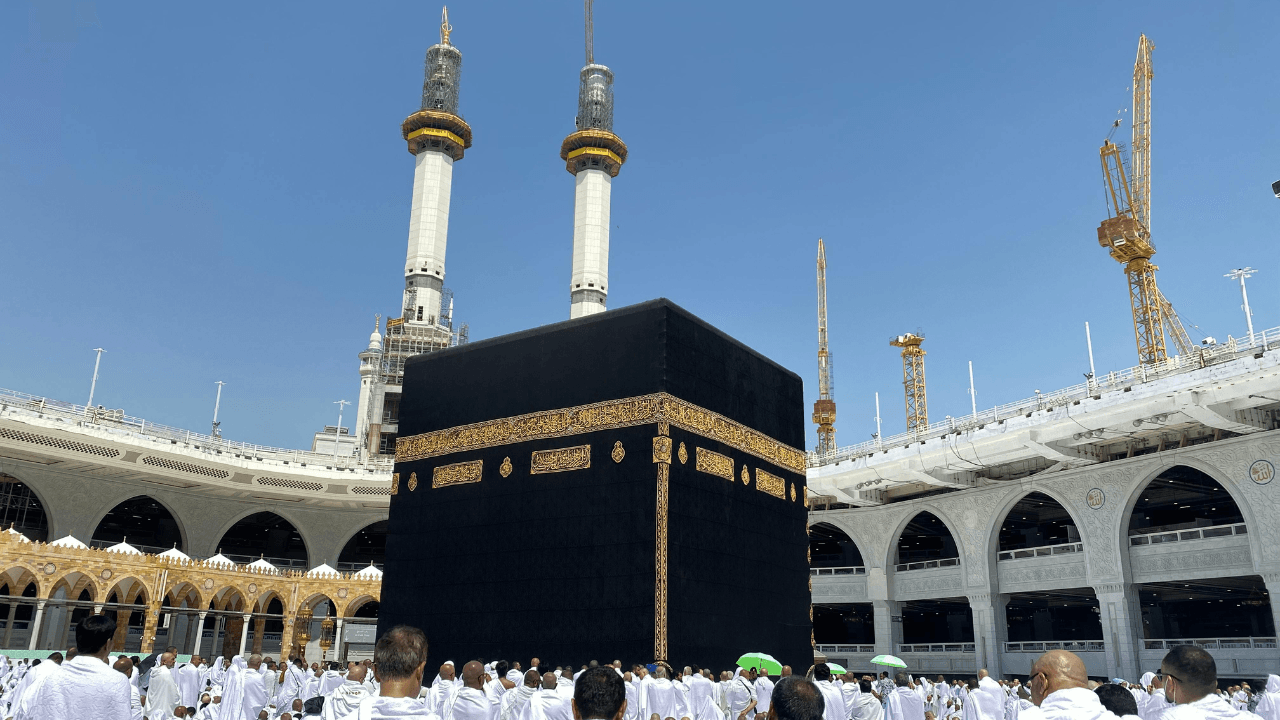
Every year, Muslim Americans fly to Saudi Arabia for Hajj with their passports, their ihram, their tour itineraries, and no will. Not because they intend to skip it. Because they ran out of time, or assumed it would take a lawyer and months of work, or figured they would get to it after they return. This is a mistake, and the Prophet (peace be upon him) said so directly.
Yes, you need an Islamic will before Hajj. Here is why it matters specifically for Muslim Americans, what it should include, and how to complete one before you board the plane.
Ready to compare halal options?
What the Prophet said about wills before travel
The hadith recorded in both Sahih al-Bukhari and Sahih Muslim is unambiguous: "It is not permissible for any Muslim who has something to bequeath to pass even two nights without having his last will and testament written and kept ready with him." Scholars have long applied this instruction with particular force before any journey involving distance, exertion, or physical risk. Hajj is the prototype of that journey: international travel, multi-day rituals in extreme heat, large crowds at Arafat and Mina, and conditions that are genuinely outside ordinary daily life.
The instruction is not about expecting death. Sa'd ibn Abi Waqqas, a close Companion, received the Prophetic guidance on bequests during what he believed was a terminal illness. The Prophet (peace be upon him) told him to give a third, and that a third was generous. The principle is preparation and responsibility, not pessimism. Leaving for Hajj with your affairs unsettled is putting the burden of your incomplete business onto your family at the worst possible time.
Why this matters more for Muslim Americans than most
In many Muslim-majority jurisdictions, Islamic inheritance law (Faraid) applies automatically when a Muslim dies. In the United States, it does not. If a Muslim American dies without a valid will, their estate goes through probate and gets distributed according to the intestacy laws of their home state. Those laws do not implement the Quranic shares in Surah An-Nisa (4:11-12).
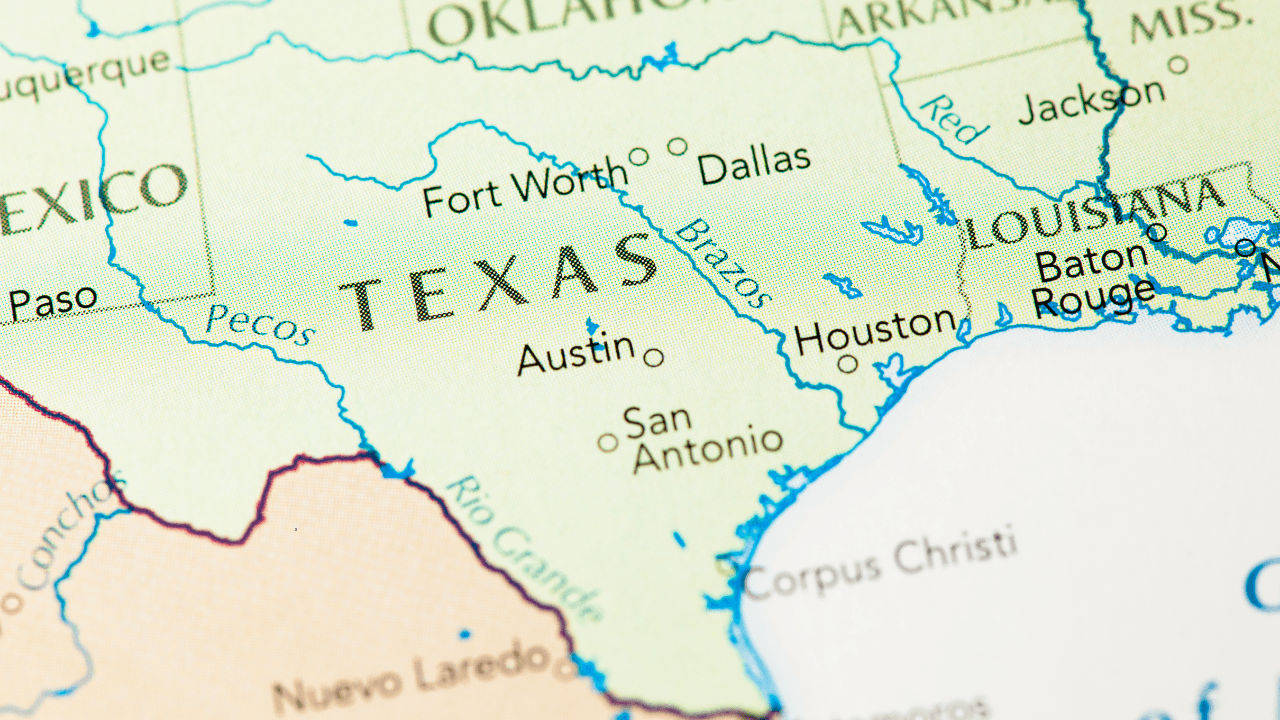
In New York, a surviving spouse takes the first $50,000 plus half the remaining estate; children divide the other half. In California, community property goes entirely to the spouse; separate property is split between spouse and children depending on how many children there are. In Texas, the rules differ again. None of these match Faraid. Parents rarely receive their Quranic shares. Siblings receive nothing. A wasiyyah bequest to a cause you cared about disappears entirely. The distribution your family expects from Islamic principles is replaced by whatever your state legislature wrote.
A valid Islamic will is the only mechanism that puts Faraid on the record in a way U.S. probate courts are legally required to honor. Without it, your intentions have no legal weight. Our wills and estate planning guide covers the full legal framework for Muslim Americans.
What your Islamic will should include before Hajj
A complete Islamic will for a Muslim American has several components. The Faraid distribution specifies how your estate should be divided among your Quranic heirs according to Surah An-Nisa. The wasiyyah bequest covers discretionary bequests up to one-third of the estate, which can go to non-heirs, to charity, or to any cause you choose. The debt acknowledgment lists any outstanding debts that must be paid from the estate before heirs receive their shares, including deferred mahr if applicable. The executor designation names the person responsible for carrying out the will's instructions, ideally someone with some knowledge of Islamic inheritance rules or willingness to work with an Islamic estate attorney.
If you have minor children, the will must also include a guardian designation naming who would raise them if both parents were gone, and a backup guardian if the primary is unavailable. Schools and courts need this designation to exist in writing. For a full explanation of how to approach this, see our guide to naming guardians in an Islamic will and the companion article Traveling for Hajj and Leaving the Kids Behind.
If your life has changed since you last made or updated a will, marriage, divorce, a new child, a property purchase, or a move to a new state, your previous documents may be incomplete or invalid. Update them before you fly, not after.
Common misconceptions Muslims have before Hajj
The most common one: "I don't have enough assets for it to matter." This misunderstands what a will does. Even modest estates create distribution questions. Who gets the car? Who is responsible for the funeral costs? Does your spouse know the login to your retirement account? A will answers these questions. An estate does not need to be large for these questions to create real family conflict.
Second misconception: "My family knows what I want." Families disagree under grief. What feels obvious when everyone is alive becomes contested when you are gone and there is no written record. Courts decide based on documents, not on what various family members claim you would have wanted.
Third: "A regular U.S. will is enough." A standard American will does not implement Faraid by default. You need a will that explicitly directs distribution according to Islamic inheritance law, which is a specific and different document from a generic will created through a mainstream estate planning service.
Fourth: "I'll do it after Hajj." The entire point of the hadith is that "after" is not a guarantee. Settling your affairs before Hajj is specifically what the Prophetic tradition instructs.
Is there time if Hajj is in a few days?
Yes. A basic Islamic will through an online platform takes most people under 30 minutes to complete. You answer questions about your heirs, your assets, and your wishes; the platform generates a state-valid document; you print it, sign it with two witnesses, and optionally notarize it. Same day, done.
Top Providers for This Topic



Free to compare · No sign-up required
If your situation is more complex, blended family, significant business assets, real estate across multiple states, a large estate, you want an attorney. That takes longer. But for most Muslim Americans heading to Hajj, the standard Islamic will platform is sufficient and the time investment is small. Islamic tradition is clear that a good deed should not be delayed once you are capable of acting on it.
Should both spouses make an Islamic will?
Yes. Both spouses should have separate wills. Each will names the other as a primary heir, but they also need to specify what happens if both spouses are gone at the same time, which is a real possibility when two people travel together internationally. Who gets the estate if both die in the same incident? Who raises the children? The answer to those questions must be in both documents.
Some families choose to go a step further with an Islamic Family Waqf, a joint living revocable trust that consolidates both spouses' estate planning and provides more flexibility than separate wills. Our Islamic Will vs. Living Trust guide explains when a trust makes sense over a standard will.
How to create an Islamic will before Hajj
The three things you need: the will document itself, witnesses according to your state's requirements (typically two adults who are not heirs), and a safe place to leave the signed original. Give a copy to your executor before you leave.
The platform most consistently recommended for legal Islamic wills in the U.S. is ShariaWiz, which produces state-specific documents valid in all 50 states and designed to implement all four Sunni madhhabs within U.S. estate law. Our ShariaWiz review covers the platform in full, including cost, what it produces, and who it is right for. If you want access to the ShariaWiz provider page to compare it against other estate planning options, that is on HalalWallet as well.
For the full pre-Hajj financial checklist, including debts, beneficiary designations, zakat, and guardianship, see the Hajj 2026 Preparation Checklist. It covers every step in one place.
Prepare your will. Prepare your heart. Then go. Allahumma taqabbal.
Frequently asked questions
Is making an Islamic will before Hajj obligatory or just recommended?
The hadith in Sahih al-Bukhari and Sahih Muslim uses the phrase "it is not permissible," which most scholars treat as wajib (obligatory) for any Muslim who has assets or dependents. For Muslim Americans, the obligation is reinforced by the fact that without a will, your estate will be distributed by state law, not Islamic law. The combination of Prophetic instruction and real-world legal stakes makes this more than a recommendation.
Can I create an Islamic will in one sitting before I travel?
Yes, for most people. Online Islamic will platforms like ShariaWiz walk you through the process in a single session. The time from starting to a complete, signable document is typically 15 to 30 minutes for a standard estate. You will need two adult witnesses who are not heirs to sign the document with you. Notarization requirements vary by state.
Does my existing U.S. will cover Islamic inheritance requirements?
Probably not, unless it was specifically drafted to implement Faraid. A standard U.S. will written by a conventional estate attorney does not distribute according to the Quranic shares in Surah An-Nisa. It distributes however you instructed it to, and most people who drafted one without Islamic guidance simply left everything to their spouse or split it among their children without applying Faraid rules. Review it before Hajj and update if needed.
What if I made an Islamic will years ago?
Review it before Hajj. Any major life event since it was created can affect its completeness: marriage, divorce, the birth of a child, a significant asset purchase, a move to a different state, or the death of a named beneficiary or executor. A will that was correct three years ago may be outdated today.
Compare providers in your state
See side-by-side comparisons of Shariah-compliant products, or let our matcher recommend the best options for your situation.
What happens to my assets if I die abroad during Hajj without a will?
Your estate goes through probate in your home state. The court distributes assets according to your state's intestacy laws. Those laws do not follow Faraid. Your parents, siblings, and any other Quranic heirs beyond a spouse and children typically receive nothing or significantly less than Islamic law specifies. Any charitable bequest you intended vanishes. Your family must navigate a probate process with no written guidance from you.