Massachusetts has one of the most established Muslim communities on the East Coast. Greater Boston, Worcester, Springfield, and Quincy all have significant Muslim populations — and like Muslims everywhere in the U.S., many haven't written a will yet. That's a problem that gets expensive and complicated when someone dies without one.
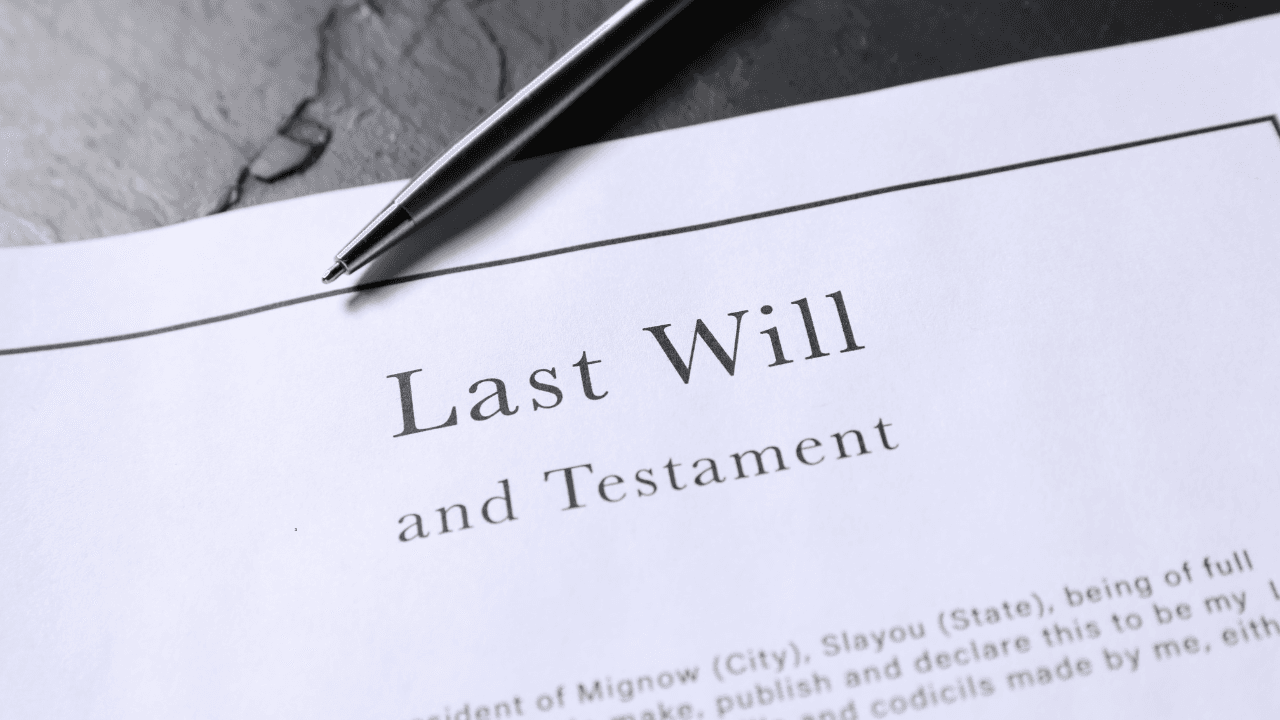
An Islamic will in Massachusetts is a standard legal document — governed by Massachusetts probate law — that incorporates your Sharia-based distribution preferences. Massachusetts courts will honor it as long as it meets the state's execution requirements. Here's what you need to know.
Ready to compare halal options?
How Massachusetts probate law handles Islamic wills
Massachusetts adopted the Uniform Probate Code under Massachusetts General Laws Chapter 190B (the Massachusetts Uniform Probate Code, or MUPC). For a will to be valid in Massachusetts, it must be in writing, signed by the testator (you), and witnessed by at least 2 people who are not beneficiaries. That's the baseline.
Nothing in Massachusetts law prevents you from distributing your assets according to Islamic inheritance rules (faraid). The state doesn't require equal distribution among children or any specific formula — you can instruct your executor to divide your estate according to the Quranic shares defined in Surah An-Nisa. The courts will carry it out if the will is properly executed.
What an Islamic will in Massachusetts should cover
A complete Islamic will covers more than just who gets what. It should name a guardian for minor children, designate a Muslim executor who understands your wishes, specify that your estate should be distributed according to Islamic inheritance principles, and address any specific assets — retirement accounts, real estate, business interests — that need individual attention.
It should also include a declaration of faith (shahada), instructions for your janazah (Islamic funeral rites), and guidance on any outstanding debts — which Islam requires be paid before inheritance distribution. If you have a life insurance policy or 401(k), note that those assets pass outside of probate via beneficiary designation, so make sure those designations are also Sharia-compliant.
Muslim communities in Massachusetts
Massachusetts has an estimated 200,000+ Muslim residents. The Boston metro area is the largest concentration, with significant communities in Cambridge, Roxbury, and Quincy. Worcester has a growing South Asian Muslim community, and Springfield has an established Bosnian Muslim population. The Islamic Society of Boston, Masjid Al-Taqwa in Worcester, and several mosques in Springfield serve as community anchors.
Massachusetts Muslims come from diverse backgrounds — South Asian, Arab, East African, Bosnian, and American-born converts. Estate planning needs vary: blended families, business ownership, international property, and different madhabs (legal schools of thought) all affect how your will should be written. A one-size-fits-all template rarely does the job.
ShariaWiz: the strongest option for Massachusetts Muslims
For most Massachusetts Muslims — especially anyone with a complex situation — ShariaWiz is the go-to. They combine Islamic estate planning expertise with actual licensed attorneys, which matters in a state like Massachusetts where probate litigation is common and property values are high. A ShariaWiz-drafted will is both Sharia-compliant and legally bulletproof under Massachusetts law.
Read the full ShariaWiz review for a breakdown of what they offer, who they're best for, and what the process looks like. You can also go directly to their provider page on HalalWallet to see current pricing and get started. For straightforward situations — a single person with modest assets and no minor children — a simpler Islamic will platform may work. But for most Massachusetts Muslims dealing with real estate, retirement accounts, or family complexity, ShariaWiz is worth it.
What Massachusetts Muslims often get wrong
The most common mistake is assuming a Massachusetts will automatically distributes assets the way you intend. Without explicit Sharia-based instructions, your estate will be divided under Massachusetts intestacy law — which does not match Islamic faraid. Spouses inherit larger shares under state law than they would under some interpretations of Islamic inheritance, and non-Muslim relatives may inherit even when Islamic law would exclude them.
Another common gap: joint tenancy on property. In Massachusetts, jointly owned property passes directly to the surviving joint tenant outside of probate, bypassing your will entirely. If you and a family member own property jointly, that property won't follow your Islamic will instructions regardless of what the will says. You need to either restructure how the property is titled or address it explicitly with an attorney.
Living trusts in Massachusetts
Massachusetts Muslims with significant assets sometimes pair an Islamic will with a revocable living trust. Trusts avoid probate entirely, which can be slow and expensive in Massachusetts. A trust also offers more flexibility for complex family situations — you can specify conditions on distributions, set up sub-trusts for minor children, and provide detailed instructions your executor might not otherwise have authority to follow.
If you're exploring whether a trust makes sense for your situation, the estate planning hub on HalalWallet has deeper guides on both approaches. For most people, starting with a will and adding a trust later as assets grow is a reasonable path.
Bottom line
Massachusetts law accommodates Islamic wills fully — you just need to write one. A properly executed Islamic will in Massachusetts gives you legal authority over your estate, ensures your assets reach the right people, and protects your family from the state's default intestacy rules. Don't wait for the right moment. The right moment was yesterday. ShariaWiz is the strongest place to start if you want a legally valid, Sharia-compliant document with real attorney oversight.
Frequently asked questions
Is an Islamic will legally valid in Massachusetts? Yes. As long as your will is in writing, signed by you, and witnessed by 2 non-beneficiary witnesses, Massachusetts courts will recognize it as a valid legal document. The content — including Islamic inheritance instructions — is up to you.
Do I need a Massachusetts attorney to write an Islamic will? Not legally required, but strongly recommended for anyone with real estate, retirement accounts, business interests, or minor children. The stakes are too high in Massachusetts to rely on a DIY template. ShariaWiz connects you with attorneys who understand both Islamic law and Massachusetts probate.
What happens if I die without a will in Massachusetts? Your estate goes through Massachusetts intestacy law. The state divides your assets according to a fixed formula that won't match Islamic inheritance rules — and if you have minor children with no named guardian, a judge decides who raises them. An Islamic will prevents both outcomes.
Compare providers in your state
See side-by-side comparisons of Shariah-compliant products, or let our matcher recommend the best options for your situation.
Can I name a non-Muslim as my executor in Massachusetts? Yes, under Massachusetts law. But for Islamic estate planning purposes, many scholars recommend naming a Muslim executor who understands your intentions and can carry out Sharia-compliant distribution. If your estate is complex, consider naming a Muslim co-executor alongside a professional.
How do I handle Massachusetts real estate in an Islamic will? Real estate in Massachusetts passes under your will (unless titled as joint tenancy with right of survivorship). Work with an attorney to make sure the title structure on any jointly held property aligns with your Islamic will instructions, or the property may pass outside of your stated wishes.